Pet Surgery at prairievilleanimalhospital.com: Preoperative Preparation
Preoperative preparation is the quiet backbone of a successful surgery. At Prairieville Animal Hospital, we treat every procedure as a coordinated effort between veterinary team and owner. It starts long before the incision, with careful assessment, clear communication, and practical steps that reduce risk and help your pet recover smoothly. The goal is not to medicalize fear but to create a calm, predictable path from the moment you arrive for intake to the moment your pet heads home with fresh bandages, a plan for pain control, and a clear understanding of what comes next.
A real-world perspective In practice, preoperative planning is less about clever new techniques and more about the structure you bring to the process. A recent experience with a middle-aged terrier underscored this truth. The owner showed up with a list of questions, a medication schedule, and a spare crate, and the team reversed potential hiccups before they happened. The dog was anxious but cooperative, the anesthesia team had a tailored plan, and the surgeon reviewed the expected course with the family in terms that made sense. The result was not a flawless parade but a reliable, well-managed experience where everyone knew their role.
What preoperative preparation accomplishes When we talk about preoperative preparation, the emphasis is on risk minimization and clarity. The animals we treat come in all sizes, ages, and health backgrounds. Some present as fit as athletes, others bear the marks of aging, chronic illnesses, or prior surgeries. In every case, the purpose of preop work is to ensure the right medical support is in place for safer anesthesia, smoother surgery, and a gentler recovery.
A structured approach to preop in a veterinary setting means a few practical pillars. First, a thorough medical history and physical examination to identify potential issues that could complicate anesthesia. Second, targeted diagnostic testing when indicated by age, breed, or concurrent conditions. Third, explicit fasting and medication instructions to reduce aspiration risk and drug interactions. Fourth, a clear anesthesia plan that accounts for the specific procedure, the patient’s health status, and the family’s needs. And fifth, a well-documented postanesthesia plan so owners know what to expect in the hours and days following surgery.
The value of early communication A central tenet at Prairieville Animal Hospital is information shared early and often. When families understand why a test is ordered, what the results mean, and how those results influence anesthesia or surgical decisions, the process becomes collaborative rather than confrontational. The care team emphasizes answering questions as they arise, not after the fact. We find this approach reduces anxiety and improves adherence to instructions before and after surgery.
A practical framework for owners Think of preoperative preparation as a checklist you and the veterinary team navigate together. The structure helps you prepare your home and your pet for the day of surgery, minimizes stress, and makes the experience more predictable for everyone involved. The aim is not to surprise you with last-minute requests but to give you a clear, workable plan that you can follow with confidence.
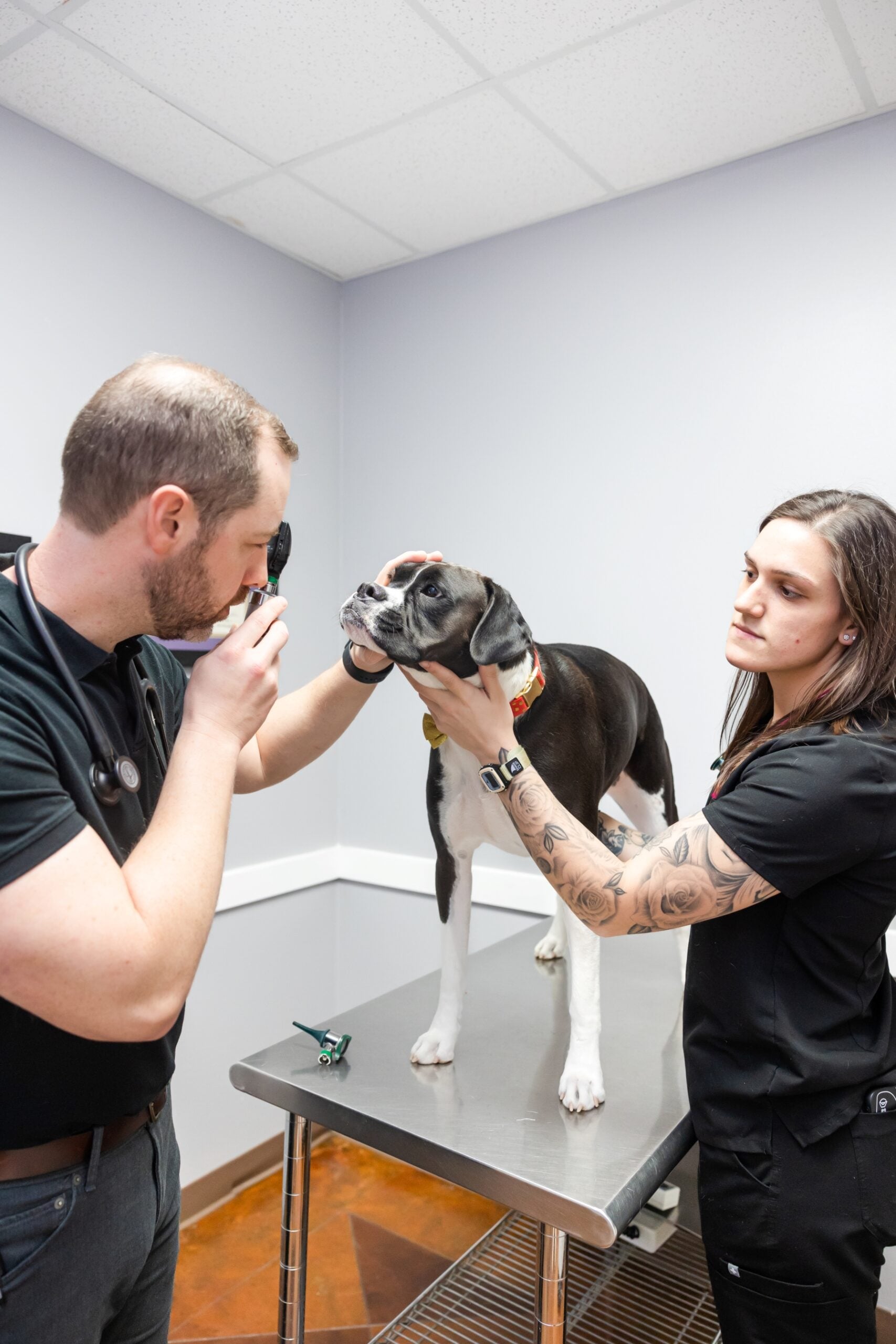
Preoperative assessment: what the team looks for A comprehensive preoperative assessment is not a single test, but a package of findings that informs every decision about anesthesia and the surgical plan. In our practice, that package includes:
- Medical history, including current medications, prior surgeries, and known allergies.
- A focused physical examination assessing the heart, lungs, temperature regulation, hydration status, and overall condition.
- Age and species considerations that influence anesthesia risk, recovery time, and pain management strategies.
- Weight and body condition scoring, which affect drug dosing and the choice of delivery methods.
- Behavior and temperament, which can alter how a patient tolerates stress, restraint, and the environment around the surgery.
The practical upshot is that even routine procedures require a careful look at the whole animal. A healthy young cat may sail through anesthesia with minimal risk, while an elderly bulldog with a heart murmur may need adjustments in drugs and monitoring. The goal is to tailor the plan to the individual, rather than applying a one-size-fits-all protocol.
Diagnostic testing: when and why Preoperative testing should not be brushed aside as an unnecessary formality. It is a risk-reduction tool designed to catch issues that are not clinically obvious but could influence anesthesia. Our approach follows a balance: for some patients, a basic screen suffices; for others, a more extensive panel is warranted based on age, health history, and the planned procedure.
Common tests include basic blood work to evaluate organ function and blood counts, urine analysis for kidney health and urinary tract issues, and sometimes imaging or ECG monitoring for patients with known heart conditions or abnormal murmurs. The decision to perform diagnostics is collaborative. We discuss the potential findings, what they might mean for the anesthesia plan, and how they could alter the surgical approach. If a test reveals a risk that changes the plan, we address it openly and outline the options with the family.
Fasting and perioperative care One of the most practical elements families encounter is fasting instructions. The reason is straightforward: anesthesia lowers protective airway reflexes, and having a full stomach increases the risk of aspiration. In general, most pets are instructed to fast for a period that minimizes the risk while avoiding dehydration or hypoglycemia, particularly in puppies and kittens or medical cases that require closer monitoring.
The timing of the fast can vary by species and age. Dogs and cats typically stop eating after a designated evening meal and may be allowed water up to a few hours before the scheduled procedure, depending on the clinic’s protocol. For patients with chronic conditions or those on medications, specific instructions may be adjusted to maintain safety without compromising readiness for surgery. The team reviews these details with the owner well in advance, providing a written reminder and a direct point of contact for questions on the morning of the procedure.
Medications are part of the conversation In the day-to-day reality of pet care, many animals are on medications that influence anesthesia risk. We encourage families to bring a current list of prescriptions, over-the-counter remedies, and supplements. Some drugs interact with anesthesia or alter blood sugar, blood pressure, or clotting. The decision to continue, adjust, or suspend a medication is made after weighing the benefits against potential risks for anesthesia.
There are notable exceptions. For instance, certain medications that affect blood flow or heart function may require a temporary hold. Others, like essential heart medications, may be continued with careful monitoring. The veterinary team provides clear guidance, often with a written plan that specifies when to resume medications after surgery and how to manage pain and recovery at home.
Anesthesia planning: a tailored map The anesthesia plan is the heartbeat of the entire operation. It is not a generic script but a tailored strategy built from the patient’s health data, the nature of the procedure, and the family’s circumstances. Our approach combines preparation, monitoring, and responsiveness.
Preparation involves ensuring the patient is in a stable state for anesthesia, with a focus on maintaining hydration, oxygenation, and stable blood pressure during the procedure. Monitoring is the backbone of safety. Modern anesthesia in veterinary medicine relies on continuous observation of vital signs, including heart rate, rhythm, respiratory rate, oxygen saturation, temperature, and sometimes blood pressure. Additional devices may be used to track depth of anesthesia and reflexes, which helps the team adjust drugs in real time.
The plan also considers the specific procedure. A minor surgical incision under light anesthesia for a spa day suturing job is very different from a more involved soft-tissue surgery or a orthopedic procedure. The depth of anesthesia, the choice of agents, and the recovery environment all hinge on the procedure’s demands and the patient’s traits. In our practice, the aim is to keep the patient comfortable while avoiding oversedation that could complicate recovery.
Preparing the family for the day of surgery On the day of surgery, families accompany their pets through a predictable sequence that minimizes stress. Check-in involves a brief intake interview, confirmation of the procedure, and a last review of instructions. Owners receive a timeframe for pickup, a reminder about what to bring, and a point of contact in case of questions. For anxious pets, we may offer preoperative anxiolysis, a gentle calming approach that helps the animal enter the surgical suite without prolonged distress. The team prioritizes clear communication so that owners feel supported rather than sidelined.
Day-of-surgery logistics When you drop your pet off, you are not merely leaving a case file with a nurse. You are entrusting your companion to people who have seen many different personalities, health states, and reactions to stress. The staff at Prairieville Animal Hospital works to make this moment as smooth as possible. A quiet intake, a brief labeling of belongings, and a careful handoff to a trained veterinary technician all help reduce confusion. Cats may receive a soft carrier with a familiar scent, while dogs might be placed in a calm, stable kennel with a gentle sensory environment.
The actual surgical plan takes shape in a collaborative space where the surgeon, the anesthesia team, and the owner share a concise summary. You will know which specific procedure is planned, the expected duration, pain management strategy, and when to expect updates. After the procedure, the patient moves to recovery in a monitored space where we stratify comfort, temperature, and hydration. Families are updated with the initial status and any immediate postanesthesia care notes.
Pain prevention and control A practical truth about surgery is that prevention of pain is easier than chasing relief after it becomes obvious. Our philosophy emphasizes multimodal analgesia, a combination of drugs and techniques that tackles pain from several angles. This can include local anesthetic blocks, nonsteroidal anti-inflammatory drugs, and short-acting opioids when appropriate, all carefully balanced against the animal’s health status and the risk of side effects.
Owners often ask about a pain plan that extends into the home. We provide explicit guidelines: when to administer medications, how to monitor for signs of pain, and clear signs that would necessitate contacting the clinic. The aim is steady comfort that supports early mobility, appetite, and a smooth return to normal activity. A well-constructed pain plan reduces stress for both the patient and the owner and improves the likelihood of a quick, uneventful recovery.
Two essential checklists for the day of surgery To keep the process grounded, here are practical checklists that you can expect to encounter, framed in plain terms so you can prepare without last-minute confusion.
-
Day-of-surgery readiness
-
Confirm the procedure and time with the clinic
-
Bring a current medication list and any relevant medical records
-
Bring a bag with your pet’s familiar item, if allowed, and a leash or carrier
-
Expect a brief preoperative examination with the veterinary team
-
Receive discharge instructions and a contact plan for the first 24 hours
-
Postoperative home care basics
-
Keep your pet in a quiet, comfortable space with access to water
-
Follow the pain management plan exactly as instructed
-
Do not allow strenuous activity until cleared by the team
-
Monitor incisions for redness, swelling, or discharge and report concerns promptly
-
Schedule a follow-up appointment for suture check or continued healing
These lists are designed to be practical anchors rather than exhaustive. They reflect everyday realities in the clinic and at home after a procedure. When families learn to navigate them, the experience feels less daunting and more predictable.
Spay and neuter as a preoperative context Spay and neuter surgeries are among the most common procedures we perform, and they illustrate how preoperative preparation translates into real-world outcomes. These surgeries typically involve specific risk considerations, such as age, anesthesia duration, and the animal’s hydration status. The team focuses on optimizing the patient’s condition beforehand, which translates into steadier vital signs under anesthesia, a reduced need for intraoperative adjustments, and a smoother recovery.
The preoperative steps for spay and neuter cases are essentially the same in structure as other surgeries, but there are practical nuances. For instance, younger animals may recover differently than older pets, so the plan for pain control, activity resumption, and discharge timing reflects those differences. The family should expect precise instructions about when to feed after surgery, how to monitor incisions, and how to manage any transient post-operative discomfort.
Pet dental care in the preoperative frame Dental procedures sometimes accompany or motivate surgical planning. If your pet requires dental work, the preoperative assessment expands to include more careful attention to oral health, possible tooth extraction, and the potential impact on anesthesia duration. A dental procedure can interact with systemic health, so the team weighs the dental plan against the patient’s overall health. The result is a tailored anesthesia approach, ensuring that the dental work is accomplished while maintaining safety margins throughout the operation.
Communication that respects your time We recognize that pet owners juggle responsibilities, work, and caregiving duties. Therefore, our approach to communication emphasizes clarity, timeliness, and respect for your schedule. You can expect a concise, practical explanation of the plan well before the surgery date, followed by a brief update on the day of the procedure and a clear discharge plan afterwards. If a change arises, you receive direct, actionable information that helps you adjust at home.
Special cases and edge considerations No two patients are exactly the same, and some cases require a more nuanced approach. Animals with chronic conditions, such as diabetes, cardiac issues, or kidney disease, demand a heightened level of attention during preoperative planning. For such patients, preop testing is more extensive, anesthesia may proceed with additional monitoring, and the recovery phase often includes closer observation and longer monitoring.
Geriatric patients bring their own set of considerations. Age can influence organ reserve, metabolic rate, and response to drugs. We approach older pets with measured caution, balancing the risk of anesthesia against the risk of leaving a condition untreated. The conversation with families centers on realistic expectations, contingency plans, and the sense that you have a robust safety net in place.
Pediatric patients require explicit attention to dosing, temperature control, and fluid management. Puppies and kittens are not simply smaller versions of adults; they have unique physiology, and the anesthesia plan is adjusted accordingly. The aim is to minimize stress in a developing animal while preserving the precision needed for a safe procedure.
A responsible practice is honest about limits. There are times when a procedure may be postponed if a health issue is detected that could significantly raise risk. In those moments, the team lays out the options: postpone, modify the plan, or proceed with heightened monitoring and safeguards. Families deserve transparency about why a change is recommended and what the expected outcomes are with any alternative.
Postoperative planning: setting up for success A crucial phase follows the vet near prairieville la operation: recovery. The team collaborates with the owner to ensure the environment, medications, and daily routine at home support healing. Recovery is not a single moment but a process, and it unfolds differently depending on the surgery type, the patient’s temperament, and the home setting.
The recovery environment matters. A quiet space, a familiar bed, controlled temperature, and easy access to water help the patient regain stability. We coach families on how to recognize normal post-anesthesia behavior, such as temporary disorientation or mild grogginess, and what would constitute a concern that requires veterinary input. The early hours after surgery are often the most critical for ensuring that pain control remains effective, that the animal remains hydrated, and that activity is gradually reintroduced in a safe manner.
Pain management after discharge is a joint effort. The clinic provides a written plan that details dosing schedules and potential side effects. The owner then implements these guidelines, reporting any deviations, concerns, or questions. A simple misstep can magnify discomfort or slow healing, so the emphasis on precise administration and vigilant observation cannot be overstated.
Nutrition and activity during recovery While the surgical site requires protection, the appetite and energy levels of your pet are also meaningful signals. Some pets resume eating quickly, while others take longer to regain interest in food. The instructions typically include a staged approach to feeding, starting with small portions and gradually increasing as the patient tolerates, paired with a return to normal activity only after clearance. The goal is to avoid dehydration, promote healing, and reduce the risk of complications such as incision irritation from vigorous movement.
Follow-up and long-term care A well-timed follow-up visit helps confirm that healing is progressing as expected and that the incision is clean and dry. Depending on the procedure, you may come back for suture removal, bandage assessment, or a more general wellness check to ensure there are no lingering issues. The veterinarian reviews the entire surgical plan with you, discusses any unexpected findings, and adjusts the postoperative plan if necessary. The relationship with Prairieville Animal Hospital is not a one-off event; it is part of a continuum of care that includes preventive health measures, vaccinations for pets, and ongoing wellness exams.

Spreading knowledge across the practice, not hoarding it Educational efforts extend beyond the operating room. We publish learnings from cases in a way that respects client confidentiality and emphasizes practical takeaways. The intention is to equip families with relatable, usable information that improves home care and reduces the chance of avoidable issues.
The role of wellness visits in the preoperative framework Preoperative preparation and pet wellness exams are part of a broader philosophy of responsible care. Routine wellness exams provide a baseline for understanding how an animal’s health changes over time and what it means when something appears off on a screening test. Regular wellness checks help the team preempt risk factors before they become critical. In practice, this means that even if a pet is not scheduled for surgery, the veterinary clinic remains alert to subtle signals that might affect anesthesia in the future.
A note on the practical realities of a veterinary clinic No two days are the same in a busy veterinary practice. Some mornings begin with a routine outpatient appointment, followed by a spay and neuter procedure later that afternoon. Others require quick triage after an unexpected incident. The consistent thread through these experiences is the high level of coordination among reception staff, veterinary technicians, nurses, surgeons, and the anesthesiology team. Preoperative preparation is the quiet engine that keeps the operation moving forward smoothly, even on the days when the clinic feels busy or tense.
Voice and approach in practice In the end, the value of preoperative preparation comes down to how well the team translates medical knowledge into practical, compassionate action. Families deserve to feel confident about what will happen to their pet, why it will happen, and how the clinic plans to minimize risk. We strive for a tone that avoids fear, replaces ambiguity with clarity, and keeps the pet’s well-being at the center of every decision.
Concluding thoughts for Prairieville Animal Hospital clients If you are preparing for a procedure, take advantage of the preoperative conversation as an opportunity to align expectations and to voice concerns before they become obstacles. The team at prairievilleanimalhospital.com uses a collaborative model that respects the animal and the owner, grounded in real-world experience rather than abstract theory. You can expect veterinary clinic prairievilleanimalhospital.com to approach preoperative planning with a clear map, a practical toolkit, and a shared commitment to a calm, successful surgical experience.
The journey from anticipation to recovery is not a straight line. It winds through questions, tests, schedules, and careful decisions that balance risk and reward. By embracing a thorough preoperative preparation process, you give your pet a strong start in the surgical journey and set the stage for a smooth transition back to everyday life. The care team will be with you every step of the way, offering guidance, answering questions, and supporting you as you navigate the path toward healing.